 comparison
Are Tattoo Numbing Cream Alternatives Worth Trying?
Last Updated: November 6, 2026
Quick Summary
Common numbing cream alternatives include sprays, gels, and in-session options, each with different trade-offs in coverage, feel, and control. Read the label for the active ingredient, concentration, and whether it is meant for intact or broken skin, and confirm your choice with your artist before the session.
- Creams suit longer pre-session application but can feel greasy, which prompts some clients to look for alternatives.
- Sprays cover larger areas quickly, but overspray near design edges is a common concern.
- Check whether a product is labeled for intact skin or broken skin before using it.
- Over-application is a real risk, so follow the label's maximum amount and timing.
- Ask your artist which products they allow and bring the packaging to your consultation.
Table of Contents
- Why People Look for Tattoo Numbing Cream Alternatives
- How Tattoo Numbing Products Work and Why Strength Varies
- Best Numbing Cream Alternatives: Sprays, Gels and In-Session Options
- Safe Alternatives to Numbing Cream for Tattoos: Non-Product Options
- How to Make a Tattoo Hurt Less Without Numbing Cream
- Tattoo Pain Management Tips Your Artist Can Support
- How to Prepare for a Tattoo Appointment and Choose the Right Option
- Book Your Free Consultation Before Choosing a Numbing Approach
- Frequently Asked Questions
Tattoo pain is one of the most common concerns we hear from first-time clients at Canvas Tattoo & Art Gallery in NoDa, Charlotte. Many people look for a numbing cream alternative before a session, whether because a product didn't work for them before or because they want to understand their options. This guide from Canvas Tattoo & Art Gallery explains what those alternatives are, how they differ, and what to discuss with your artist before you sit down.
Why People Look for Tattoo Numbing Cream Alternatives
Many clients search for alternatives because numbing creams can be inconsistent. Some people find the effect wears off mid-session, while others notice the skin feels greasy or does not numb evenly. Others simply want to know whether a different format, such as a spray or gel, might suit their skin better.
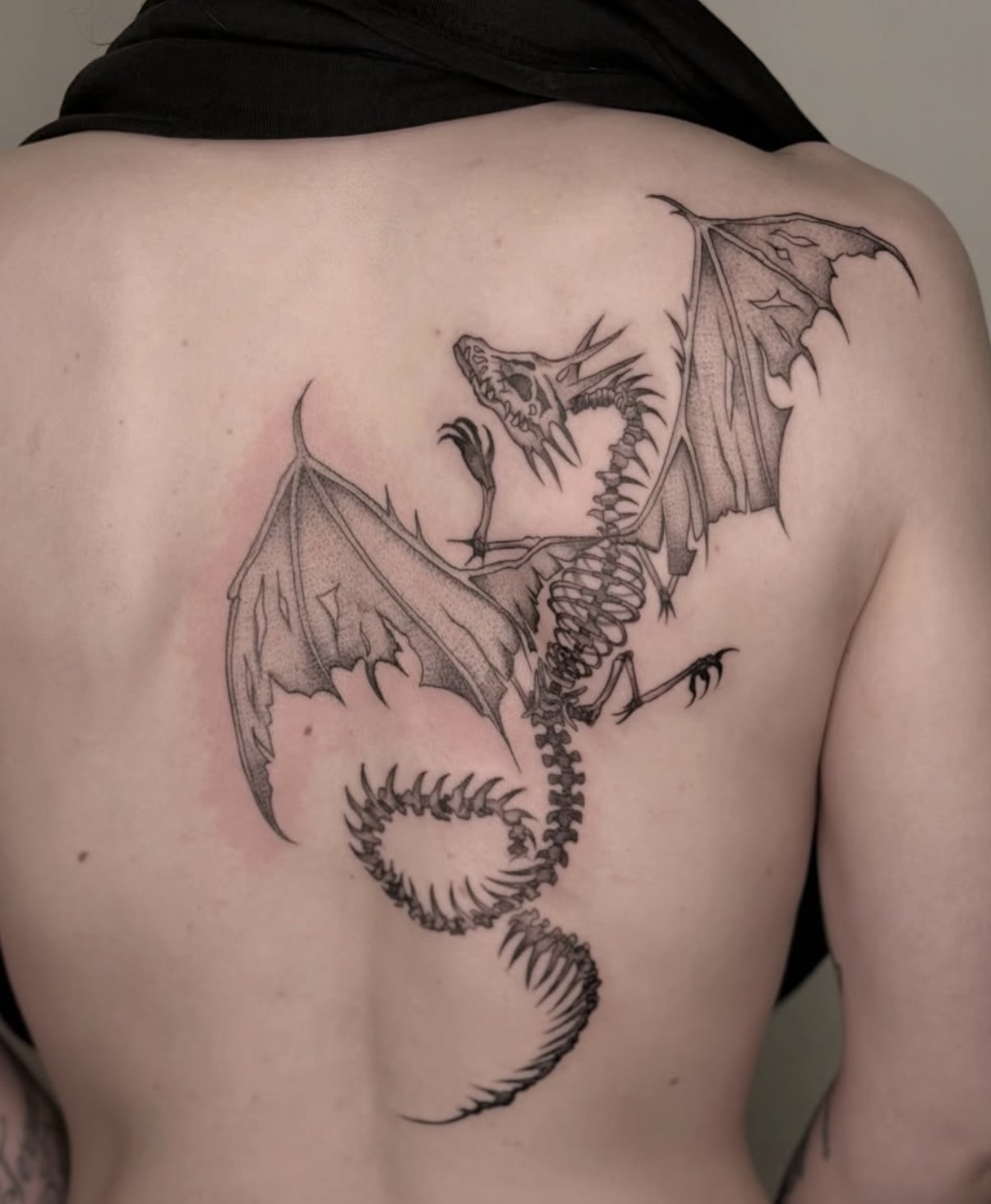
Numbing products also vary widely in their active ingredients and strength. Read this article from a tattoo artist magazine for a sense of what quality tattoo work involves before you compare options.
How Tattoo Numbing Products Work and Why Strength Varies
Most topical tattoo numbing products rely on an active ingredient, most commonly lidocaine, to temporarily block pain signals in the skin. Benzocaine and tetracaine appear in some products as well. The concentration of that ingredient, the format of the product, and how long it sits on the skin all affect how well it works.
Format matters too. Creams tend to stay put and suit longer applications, while gels and sprays are often easier to spread or reapply. Product labels should always be read carefully, particularly regarding whether a product is meant for intact skin or broken skin.
Best Numbing Cream Alternatives: Sprays, Gels and In-Session Options
This section explains the format trade-offs, what to read on the label, and what to confirm with your artist before any product touches your skin. That matters because a numbing product is only an "alternative" if it fits your session, your skin, and your studio's policy.
Creams, gels, and sprays: how the formats differ
- Creams are the most common format. They tend to stay in place on intact skin and are usually applied before the session, then removed before tattooing begins. They can feel occlusive or greasy, which is one reason some clients look for an alternative.
- Gels spread more easily than creams and can feel lighter on the skin. They are often used in the same pre-session window as creams, but the label directions govern timing.
- Sprays can cover a larger area quickly and evenly, which is useful for bigger pieces. The trade-off is less control near the edges of the design and a higher chance of overspray, so many artists prefer to control application themselves.
- Liquids and foaming antiseptics appear in community discussions as in-session options. These are not interchangeable with pre-session numbing creams, and some are intended for wound care or skin antisepsis rather than pain relief.
Products commonly discussed as alternatives
The products below are ones commonly named in tattoo supply and community discussions. Pricing is not listed here, so confirm current retail prices directly with the manufacturer or a retailer before you buy.
| Product | Format | What the label indicates | Practical consideration |
|---|---|---|---|
| Bactine Max | Topical antiseptic | Antiseptic, not a dedicated numbing cream | Some clients mention in-session use; effect is reported as short-lived. Confirm with your artist first. |
| Derma Numb Spray | Spray | Listed among alternatives to Vasocaine in tattoo supply coverage | Spray format can spread evenly over larger areas; control overspray near design edges. |
| Zensa Numbing Cream | Cream | 5% lidocaine, per product information identified in our research | Cream format suits clients who prefer a thicker base; patch test if sensitive. |
| Hush Anesthetic Gel with Lidocaine | Gel | Contains lidocaine, per tattooing and supply coverage | Gel format suits clients who find creams too heavy. |
Read the label before you buy
Three label details matter more than marketing claims:
- Active ingredient and concentration. Lidocaine, benzocaine, and tetracaine are the common actives. Concentration and directions vary by product, and a higher concentration is not automatically better for your session.
- Intact skin versus broken skin. Many numbing products are labeled for intact skin only. Products intended for use during an active tattoo session, when the skin is broken, are a different category. Follow the product labeling and your artist's guidance rather than assuming a pre-session cream can be reapplied mid-session.
- Warnings and maximum application. Over-application is a real risk with topical anesthetics. Follow the label's maximum amount, area, and timing, and do not layer multiple numbing products without checking with a physician or pharmacist.
Watch out: A product marketed as "extra strength" is not a substitute for reading the directions. Follow the label's instructions for amount and timing.
What to confirm with your artist before the appointment
Studio policies vary. Some artists prefer to control all products used during a session; others ask clients to arrive with skin already prepped. Before you buy anything, ask your artist:
- Whether they allow client-applied numbing products, and if so, which formats they are comfortable with.
- Whether the product is intended for pre-session use on intact skin or for use during the session.
- How they want the skin cleaned and prepped before and after application.
Bring the product packaging to your consultation so your artist can review the label with you. This is also the point to mention allergies, skin conditions, or medications that affect bleeding or healing.
Safe Alternatives to Numbing Cream for Tattoos: Non-Product Options
Not every approach involves a product. Some clients manage discomfort through session planning, breaks, and preparation rather than topical numbing. Your artist can discuss pacing and breaks for longer sessions.
These approaches do not replace medical advice. If you have a skin condition, allergies, or take medication that affects bleeding or healing, speak with your physician and your artist before your appointment.
How to Make a Tattoo Hurt Less Without Numbing Cream
Many clients find that pain feels more manageable when they prepare well. Sleep, a meal, and staying hydrated before your session are simple steps.
Breathing slowly and taking short breaks during longer sessions helps many people stay calm. Tell your artist early if you need a pause, since most artists would rather stop briefly than rush.
Tattoo Pain Management Tips Your Artist Can Support
Your artist can discuss pacing and breaks for your session. Ask them what they recommend for your placement and tattoo size before you book.
Always confirm with your artist before applying any product to the skin on the day of your appointment, since studio policies vary.
How to Prepare for a Tattoo Appointment and Choose the Right Option
This section offers a decision framework organized by your tattoo and your skin, plus steps for verifying what is available locally.
A decision framework by tattoo and skin circumstances
Use these questions to narrow your options before you buy anything:
- Tattoo size. A small, single-session piece on the forearm is a different problem from a large back piece that spans several hours. For longer sessions, ask your artist whether they prefer to manage comfort through pacing and breaks rather than relying on a single topical application.
- Placement. Areas with more padding, such as the outer thigh or upper arm, often feel more manageable than bony or thin-skinned areas. Placement affects both pain and how easily a product can be applied and removed.
- Session length. Pre-session products are typically applied in a window before tattooing begins. If your session runs long, discuss with your artist how they handle comfort later in the appointment rather than planning to reapply a product labeled for intact skin.
- Skin sensitivity and allergies. If you have sensitive skin, a history of contact dermatitis, or known reactions to lidocaine, benzocaine, or tetracaine, do a patch test well before your appointment and speak with a physician or pharmacist.
- Intact versus broken skin. This is the distinction most guides skip. A product labeled for intact skin is not the same as a product intended for use during a procedure. Follow the label and your artist's policy; do not assume one can substitute for the other.
Verify local availability in Charlotte
National product guides rarely tell you what is actually on a shelf near you. If you want to buy a product locally before your appointment in Charlotte:
- Call the retailer first and ask for the exact product name and active ingredient. Stock varies by store and by week.
- Confirm the product is labeled for the use you intend, and check the expiration date on the package.
- Ask your artist at Canvas Tattoo & Art Gallery in NoDa whether they have a preferred product or format before you buy, since studio policies differ.
Prepare your body, not just your skin
Preparation that supports comfort during a session is not limited to topicals:
- Sleep well the night before and eat a normal meal beforehand.
- Stay hydrated in the days leading up to the appointment.
- Avoid alcohol before your session, since it can affect bleeding and healing.
- Wear clothing that gives your artist easy access to the placement area.
- Plan for breaks on longer sessions and tell your artist early if you need a pause.
What to bring to your consultation
Bring the product packaging for anything you are considering, a list of medications and allergies, and your questions about placement and session length. Your artist can review the label with you and tell you whether the product fits their process. If you are traveling from outside Charlotte, raise these questions before you book so there are no surprises on the day of your appointment.
Book Your Free Consultation Before Choosing a Numbing Approach
The best way to choose a pain-management approach is to talk it through with your artist first. At Canvas Tattoo & Art Gallery, you can start with a free consultation to discuss your placement, your comfort level, and any products you are considering.
Our artists have thousands of hours of experience and can help you plan a session that suits your design and your skin. If you are coming from out of the area, the consultation is a good time to ask questions before you travel.
Frequently Asked Questions
What can I use instead of numbing cream for tattoos?
Common options include numbing sprays, gels and in-session topical products that your tattoo artist may apply. Non-product approaches include eating a meal beforehand, staying hydrated, getting adequate sleep, and taking breaks during longer sessions. Always confirm with your artist before using any product on your skin, because many studios have their own rules about what they will apply and which products they accept. Ask about ingredients and any allergy concerns before your appointment.
Why don't tattoo artists recommend numbing cream?
Some artists prefer not to rely on numbing creams because the products can change how the skin takes ink, and their effectiveness varies widely from person to person. Some artists also worry about reduced sensation making it harder to judge line depth or skin response during the session. Other artists have no objection and will apply a product you bring if you discuss it beforehand. Your artist's policy is the deciding factor, so ask at your consultation rather than assuming either way.
Does ice help numb the skin before a tattoo?
Check with your artist before trying ice or any other method to reduce sensitivity before a tattoo. Check with your artist before trying this method.
How can I prepare for a tattoo if I'm worried about pain?
Start by booking a consultation so you can explain your concerns and ask how the studio approaches comfort. Eat a full meal, drink water, avoid alcohol and heavy caffeine, and get a good night's sleep before your appointment. Discuss breaks, placement and session length with your artist. A calm, well-prepared client usually feels more at ease during the work.