 how-to
How to Design a Tattoo Around an Existing Tattoo
Last Updated: October 28, 2026
Quick Summary
To learn how to design a tattoo around an existing tattoo, first assess your old ink's density, fading, and skin condition, then work with the body's natural grain so new and old pieces flow together. Add background shading and build sleeves gradually across multiple sessions with healing time in between.
- Dark, saturated areas are the hardest to work over and limit your design options.
- Faded ink is easier to blend into new work, giving room for color or texture.
- Scarring, raised lines, and sun damage change how new ink heals.
- A full sleeve takes multiple sessions, so allow healing time between each one.
- Consultations at Canvas Tattoo & Art Gallery are free, including cover-up specialists.
Table of Contents
- Start With What You Have: Assessing Your Existing Tattoo
- How to Make Tattoos Flow Together
- Adding Background to an Existing Tattoo
- Building a Tattoo Sleeve Around Existing Tattoos
- Your Tattoo Consultation for a Cover-Up or Addition
- Common Mistakes When Designing Around Old Ink
- Book a Free Consultation at Canvas Tattoo & Art Gallery
- Frequently Asked Questions
Start With What You Have: Assessing Your Existing Tattoo
Learning how to design a tattoo around an existing tattoo starts with an honest look at the ink you already have. You cannot build around what you haven't measured.
Evaluate ink density, fading, and skin condition
Old tattoos are not blank canvas. Some ink sits deep and dark. Some has faded into a soft gray. Some lines have spread or blurred over time.
Check three things first:
- Ink density: Dark, saturated areas are the hardest to work over. Heavy black blocks limit what can go on top.
- Fading: Faded ink is easier to blend into new work. Light spots give you room to add color or texture.
- Skin condition: Scarring, raised lines, or sun damage change how new ink heals.
Before designing around old ink, check these three things about the tattoo you already have.
| Factor | What to check | Why it matters |
|---|---|---|
| Ink density | Dark, saturated areas | Hardest to work over; heavy black blocks limit options |
| Fading | Soft gray, light spots | Faded ink is easier to blend into new work |
| Skin condition | Scarring, raised lines, sun damage | Changes how new ink heals |
How to Make Tattoos Flow Together
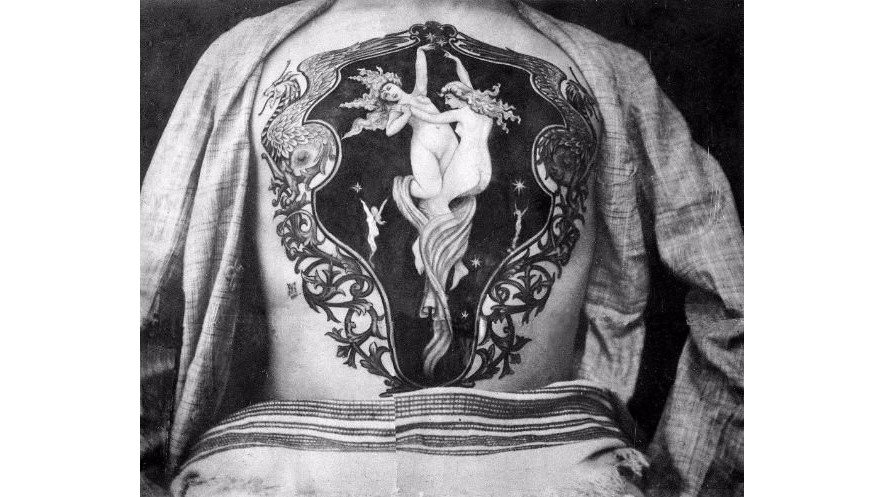
Think of the body as a canvas with a natural grain. A good artist works with that grain, not against it. The Smithsonian's guide to tattoo history and technique shows how body placement has shaped tattoo design for centuries.
Adding Background to an Existing Tattoo
Color matters here too. The Cleveland Clinic's overview of tattoo safety and skin health notes that skin heals differently across body areas, so background shading on the ribs behaves nothing like shading on the forearm.
Building a Tattoo Sleeve Around Existing Tattoos
Expect multiple sessions. A full sleeve takes time, and rushing it shows. Each session should build on the last, with healing time in between.
Your Tattoo Consultation for a Cover-Up or Addition
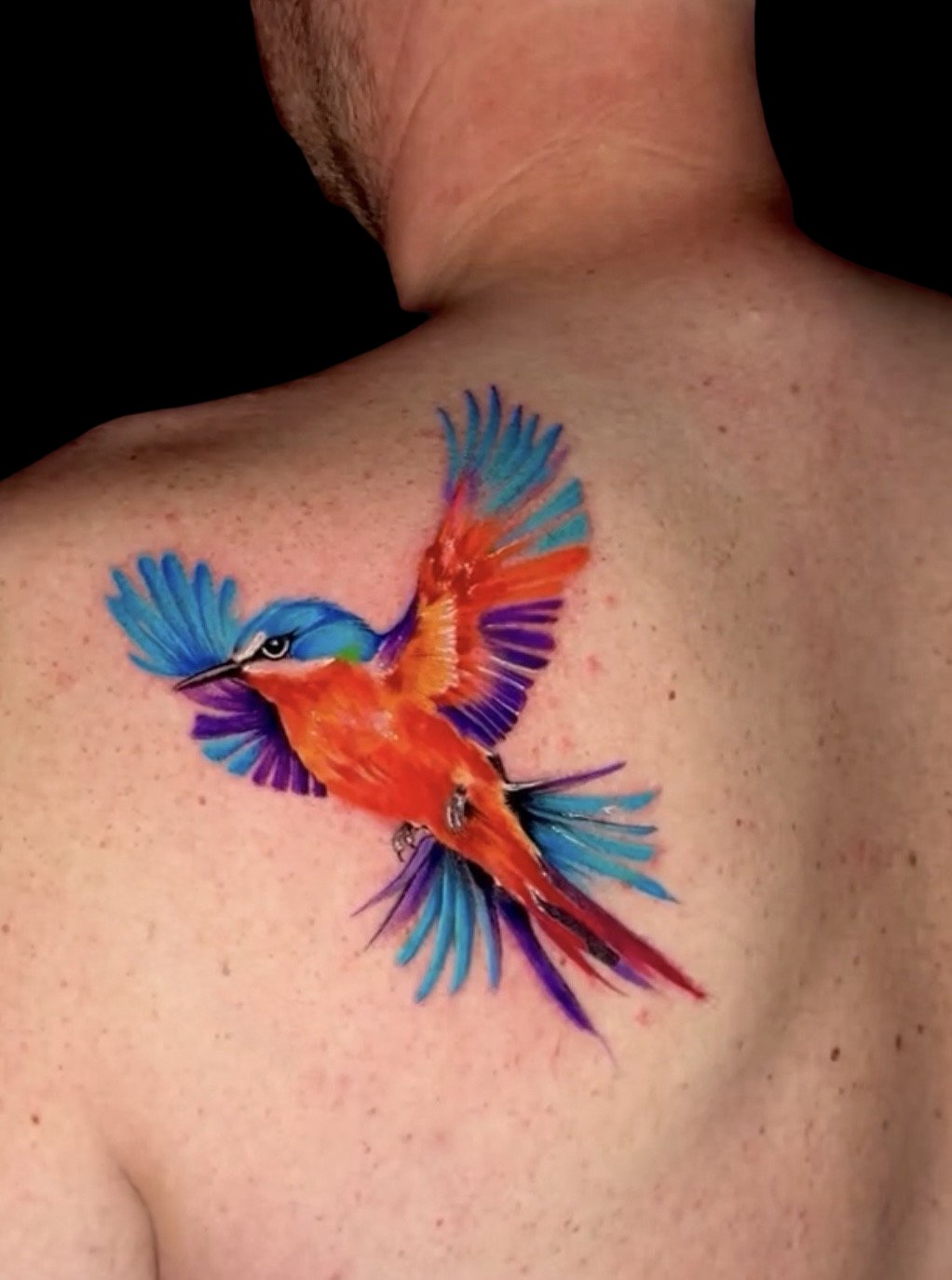
At Canvas Tattoo & Art Gallery, consultations are free. You can also see an artist who specializes in cover-ups and layout around existing ink. You can see our cover-up tattoo services in Charlotte. If it's your first time, read what to expect at your first tattoo appointment before you come in.
Common Mistakes When Designing Around Old Ink
Aftercare deserves its own attention. Follow a proper tattoo care routine.
Book a Free Consultation at Canvas Tattoo & Art Gallery
We've been voted Best Tattoo Shop in Charlotte by Elevate Lifestyle and Queen City Nerve, and named among the Top 50 Tattoo Parlors in America by Big 7 Travel.
Here's what you get when you book with us:
- A free consultation
- A personalized design process
- Expert cover-up services
- A clean, welcoming studio in the heart of NoDa
Whether you're local or traveling in from out of state, reach out to our Charlotte artists to schedule your free consultation.
Frequently Asked Questions
How do you design a tattoo around an existing tattoo?
At Canvas Tattoo & Art Gallery, consultations are free.
Can you add to an existing tattoo without covering it up?
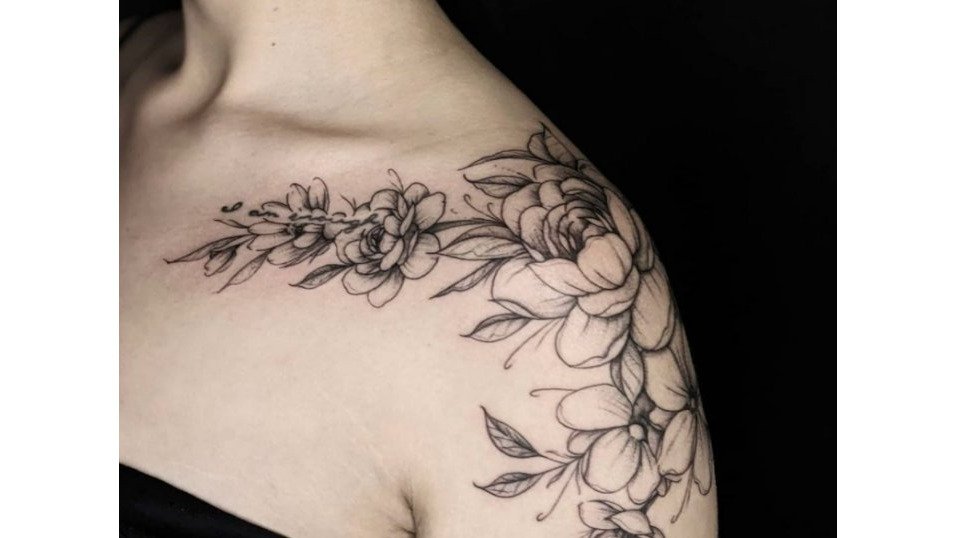
Yes. Many clients choose to enhance an old tattoo rather than hide it. Artists can add surrounding elements, extend linework, or introduce background shading that makes the original piece feel larger and more cohesive. This approach works best when the existing tattoo still has clean lines and readable shapes. During your consultation, the artist will tell you honestly whether an addition or a cover-up will give you the better result.
How do I turn separate tattoos into a cohesive sleeve?
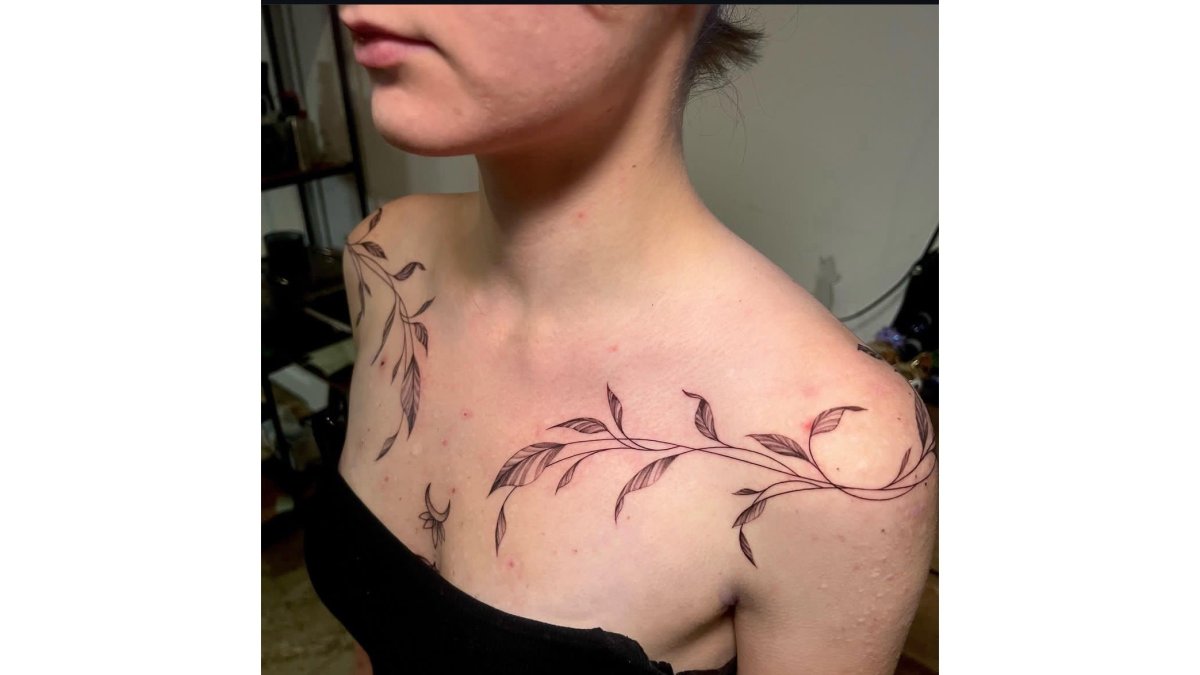
A cohesive sleeve starts with a plan. Your artist maps out how each existing tattoo sits on the arm, then designs connective elements like background shading, geometric patterns, or botanical vines to tie them together. Color palette and line weight are kept consistent across the new work. This is a multi-session process, and the consultation is where you set the roadmap so every addition moves toward the same finished look.
Should I choose a theme before adding to an existing tattoo?
A theme helps, but it does not have to be rigid. You can choose a broad direction, such as traditional, blackwork, or floral, and let the artist interpret it around your existing ink. The theme gives the new pieces a shared visual language without forcing every element to match exactly. Bring reference images and any ideas you have to your consultation, and the artist will help you refine them into a workable design.
Your old tattoo doesn't have to be a regret. It can be the starting point for something you love. Canvas Tattoo & Art Gallery offers free consultations, a personalized design process, and expert cover-up services to help you get there. Get started with Canvas Tattoo & Art Gallery and turn the ink you have into the piece you actually want.