 blog
Traditional vs Fine Line Tattoos: Which Style Fits You
Last Updated: November 1, 2026
Quick Summary
Traditional tattoos use thick black outlines, bold colors, and iconic subjects, and they keep their definition longer over time. A fine line tattoo uses thin, delicate strokes that suit detailed, minimal designs but can soften or spread faster, so placement and aftercare matter more.
- Traditional tattoos use thick black outlines and a limited palette of bold colors.
- Fine line tattoos use thin, delicate strokes and suit small, detailed designs.
- Thin lines in a fine line tattoo can soften or spread more quickly over time.
- Fine line tattoos often look best on the inner forearm, wrist, ribs, or behind the ear.
- Consultations at Canvas Tattoo & Art Gallery are free, so bring reference images and your intended placement.
Table of Contents
- Traditional Tattoo vs Fine Line Tattoo: The Core Difference
- Traditional Tattoo Style Characteristics
- Fine Line Tattoo Pros and Cons
- Fine Line Tattoo Aging and Fading Compared to Traditional Work
- Fine Line Tattoo Placement: Where Each Style Works Best
- Pain, Size and Design Limits: Which Style Suits Your Piece
- Booking Your Consultation to Choose Between Styles
- Frequently Asked Questions
Traditional Tattoo vs Fine Line Tattoo: The Core Difference
Traditional and fine line tattoos are not just two looks. They are two different approaches to line weight, color, and how the design will age. Traditional work uses bold outlines and saturated color. Fine line work uses thin, delicate strokes, often in black or muted tones. Choosing between a traditional tattoo and a fine line tattoo starts with understanding that difference.
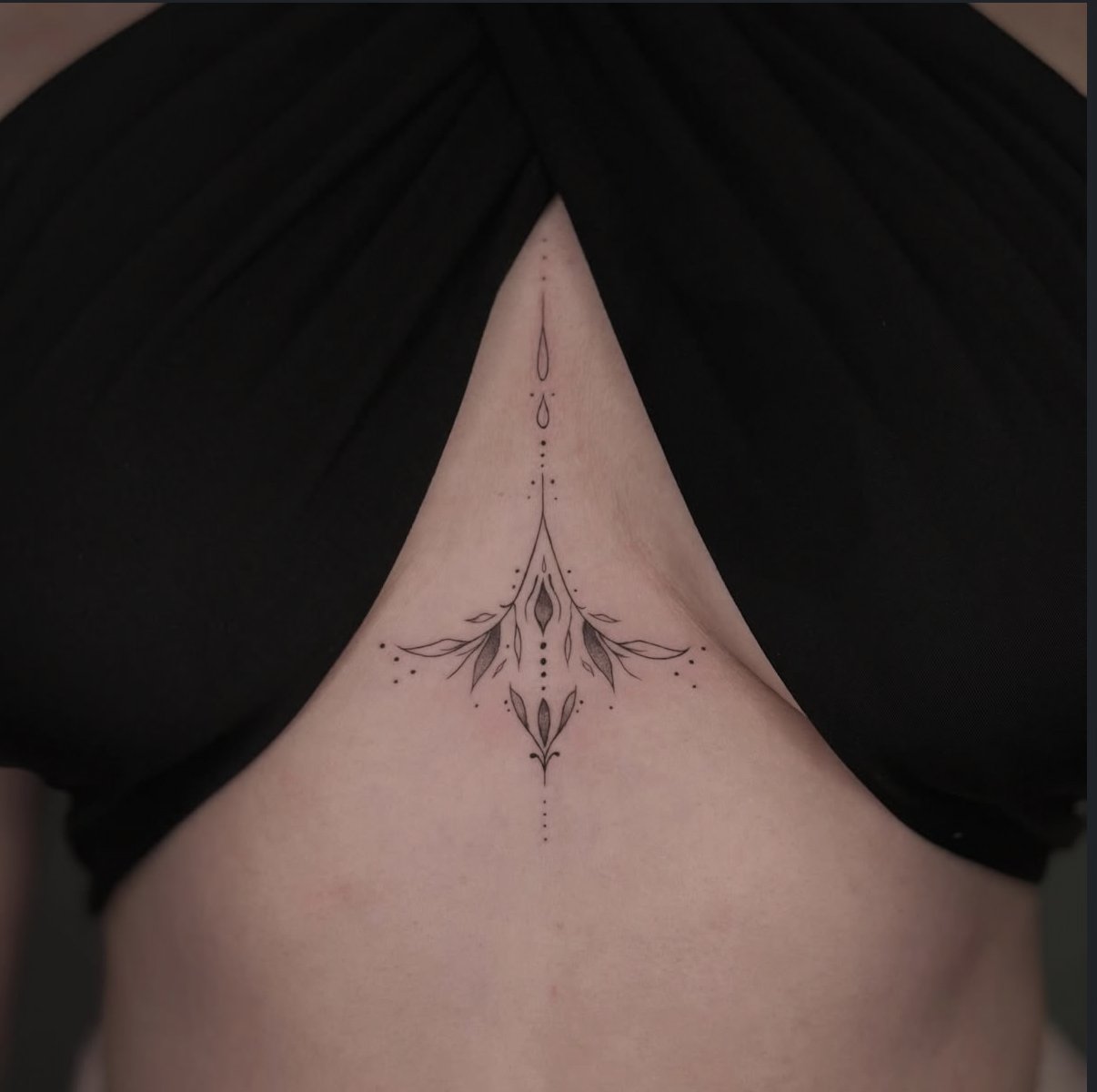
Most people compare these styles on appearance alone. That misses the more important question: how will the piece hold up over the next decade? Line weight, pigment density, and placement all shape the answer.
Traditional Tattoo Style Characteristics
Traditional tattoos, often called American traditional or old school, rely on thick black outlines, a limited palette of bold colors, and simple, iconic subjects like anchors, roses, daggers, and swallows. If you are weighing that against a bespoke piece, see whether a custom tattoo design is worth the investment.
The bold outlines are a practical advantage. They help the design hold its shape as skin changes over time. That durability is a core reason many people choose traditional work for a permanent piece.
Watch out: traditional designs with very small detail can blur if the linework is too thin for the chosen size, so ask the artist how the fine details will read at the final scale.
The two styles differ in line weight, color and how they hold up over time, as summarised below.
| Aspect | Traditional | Fine line |
|---|---|---|
| Outlines | Thick black outlines | Thin, delicate strokes |
| Color | Limited palette of bold colors | Often black or muted tones |
| Aging | Keeps definition longer | Lines can soften and spread |
| Typical subjects | Anchors, roses, daggers, swallows | Botanicals, script, geometric patterns |
| Best placement | Outer arm, chest, back, calf | Inner forearm, wrist, ribs, behind the ear |
Fine Line Tattoo Pros and Cons
A fine line tattoo uses delicate single-needle or thin-needle work to create detailed, minimal designs. Botanicals, script, geometric patterns, and small illustrative pieces are popular examples. The result feels subtle and precise.
Pros:
- Delicate and detailed, suited to small or intricate designs
- Less visually heavy on the body
- Works well for minimalist and feminine aesthetics
Cons:
- Thin lines can soften or spread more quickly over time
- Requires skilled technique to keep consistent line weight
- Small details may lose clarity at very small sizes
Best for: clients who want a subtle, detailed piece in a smaller area. Skip if: you expect the piece to look sharp for decades without touch-ups.
Fine Line Tattoo Aging and Fading Compared to Traditional Work
This is where the two styles diverge most. Fine line tattoos are more sensitive to aging because the lines are thin and the pigment is spread across a narrow area. Over the years, lines can soften and fill in slightly. Traditional tattoos, with their thick outlines and dense color, generally retain their definition for longer.
Neither style is immune to fading. Sun exposure, skin type, and aftercare affect both. For fine line work, a good healing process and sun protection matter even more. Ask your artist about the healing expectations for the specific design you have in mind.
Fine Line Tattoo Placement: Where Each Style Works Best
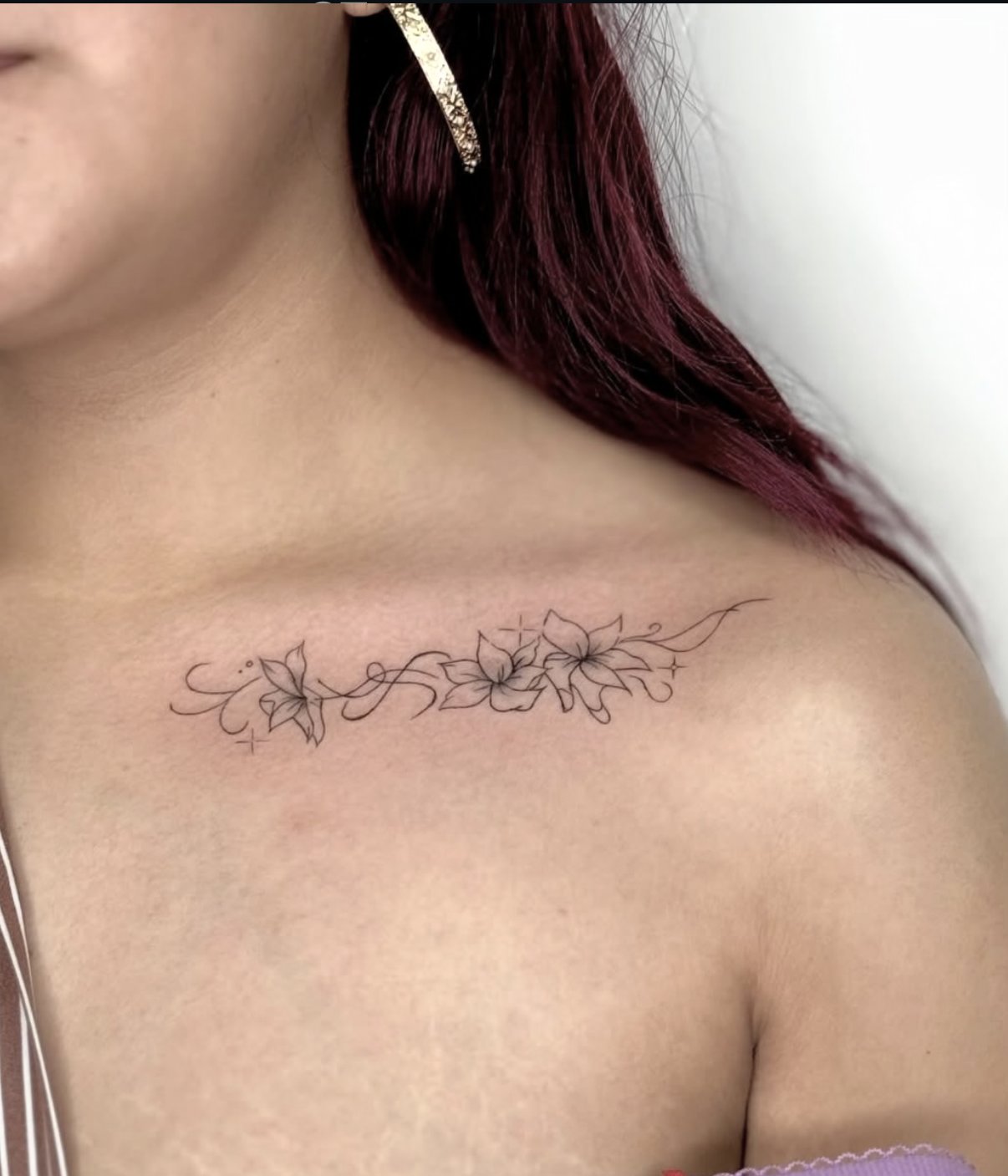
Placement decides a lot. Fine line tattoos often look best on areas with less friction and less stretching, such as the inner forearm, wrist, ribs, or behind the ear.
Traditional tattoos handle more variety. They suit the outer arm, chest, back, and calf, where bold outlines can make a strong statement and hold up under normal movement. A traditional piece on a high-movement joint can still work, but the design should be drawn with that motion in mind.
Pain, Size and Design Limits: Which Style Suits Your Piece
Pain depends more on placement and session length than on style alone. Still, fine line work is often done in shorter sessions because the coverage area is smaller. Traditional pieces with heavy color packing may require longer sittings.
Size is the bigger limit. Fine line designs need enough room for detail to breathe. Trying to shrink a complex fine line piece too far is a common mistake. Traditional designs are more forgiving at a range of sizes, though very large color-heavy pieces can take multiple sessions.
Design complexity matters too. A highly detailed portrait or dense composition may not translate well into fine line. A bold, graphic concept often suits traditional work better. Be honest with your artist about how detailed you want the piece to be.
Booking Your Consultation to Choose Between Styles
The best way to decide is a conversation with an artist who can look at your placement, skin, and idea together. At Canvas Tattoo & Art Gallery, consultations are free.
Come prepared with reference images, your intended placement, and a rough size. Ask how the design will age in that spot and what touch-ups to expect.
Ready to talk through your options? book a free consultation and bring your questions. Before you commit, see how our artists approach traditional and custom work and find the artist whose style fits your idea.
Frequently Asked Questions
What is the difference between traditional and fine line tattoos?
Traditional tattoos use bold outlines, solid color fills and simplified shapes, often with heavier black linework. Fine line tattoos use thin, delicate lines and minimal shading, which gives a lighter, more detailed look. Both are custom options at Canvas Tattoo & Art Gallery, and the right choice depends on the design, the body placement and how you want the piece to look over time. A consultation is the best way to compare the two on your specific idea.
Do fine line tattoos fade faster than traditional tattoos?
Fine line tattoos can lose definition faster than traditional tattoos because their thin lines have less ink density to hold up as skin renews and sun exposure builds up. Traditional tattoos, with bolder outlines and solid fills, generally keep their shape longer. Careful placement, sunscreen use and good aftercare help both styles hold up. Your artist can recommend the best approach for your design during your free consultation.
How do I choose between a traditional and fine line tattoo?
Start with the design itself. Detailed, delicate imagery with lots of small elements often suits fine line work, while bold imagery with strong contrast suits traditional styles. Consider where the piece will sit, how much you want it to stand out and how you expect it to age. Bringing reference images to a consultation at Canvas Tattoo & Art Gallery helps your artist recommend the style that best matches your vision.
Which tattoo style is better for small designs?
Fine line tattoos are often a strong choice for small designs because their thin linework can capture detail without becoming crowded. Very small traditional designs can blur or spread over time because their bold lines need more space to hold clean edges. If you are planning a small piece, ask your artist whether the detail level will hold up at the chosen size. Canvas Tattoo & Art Gallery offers free consultations where you can talk through size and placement before booking.
Traditional and fine line tattoos each reward a different kind of planning. Traditional work favors bold, durable designs. Fine line work favors detail and subtlety, with more care needed over time. Match the style to your placement, your expectations for aging, and the level of detail you want. Reach out to Canvas Tattoo & Art Gallery to make that choice with an artist who can see your idea in person.