 listicle
500 Tattoo Designs to Browse by Style, Meaning and Placement
Last Updated: November 4, 2026
Quick Summary
A collection of 500 tattoo designs is easiest to use when you sort it first by placement, size, style and meaning, then filter the options against those choices. Starting with where the tattoo will sit and how large it should be narrows the search quickly.
- Decide on placement first, because it shapes which designs will work at your chosen size.
- Pick one or two styles, since mixing too many usually makes a piece look unfinished.
- Write a short sentence describing what the tattoo should mean to you, and use it as your filter.
- Choose simple, open designs for a first piece, since they heal cleanly and hold their shape.
- Learn the origin of culturally specific symbols before committing, and ask your artist how they approach them.
Table of Contents
- How to Use a Collection of 500 Tattoo Designs
- 500 Tattoo Designs Simple Enough for a First Piece
- 500 Tattoo Designs with Meaning: Symbols and Their Stories
- Traditional, Japanese, Tribal and Floral Styles Across 500 Tattoo Designs
- 500 Tattoo Designs on the Hand and Fine-Line Options
- 500 Tattoo Designs for the Shoulder: Scale, Placement and Aging
- Turning a Reference Design into Your Custom Tattoo in Charlotte
- Frequently Asked Questions
How to Use a Collection of 500 Tattoo Designs
A collection of 500 tattoo designs is only useful if you know how to browse it. Most people scroll until something catches their eye, then lose track of why they liked it. A better approach is to sort first. Decide on a style, a placement and a rough meaning before you look at a single image, then filter the collection against those three choices.
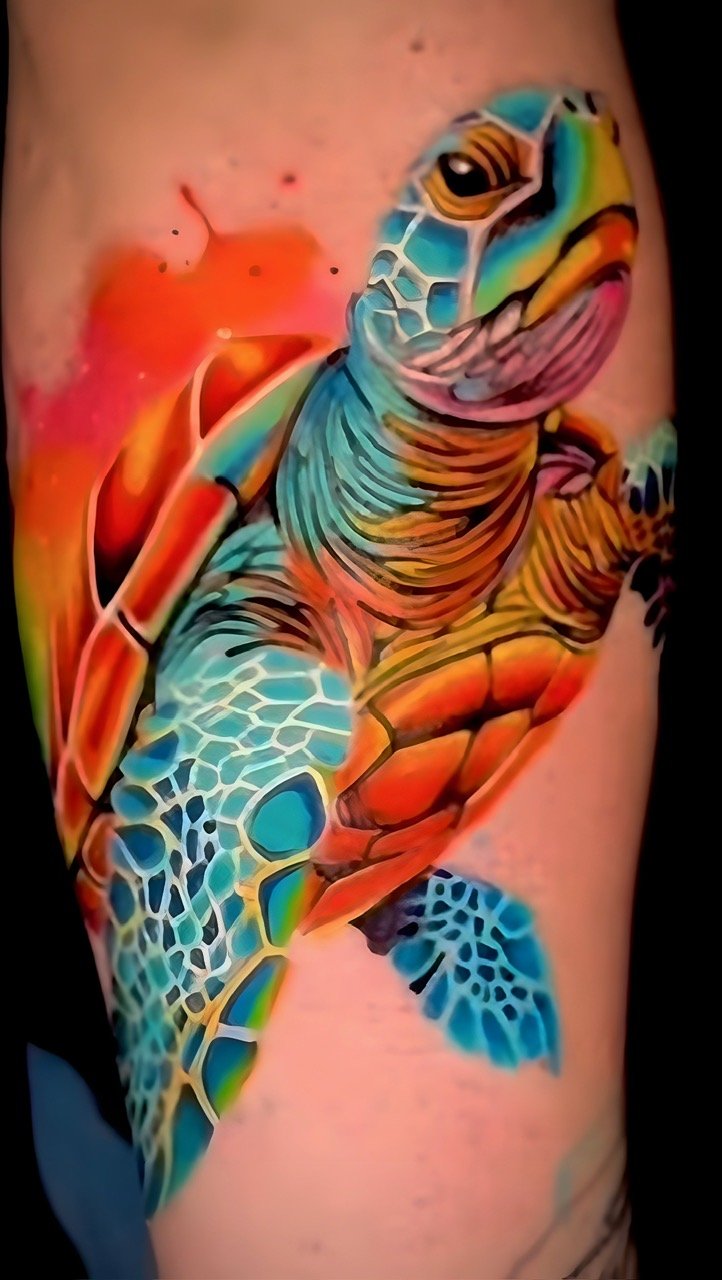
Start with placement, because it decides almost everything else. A design that works as a small wrist piece often falls apart when stretched across a forearm. Note the size you want, then look only at designs that were drawn for that scale. Save the ones that feel right, and drop the rest without guilt.
Next, sort by style. Traditional, Japanese, tribal, floral and fine-line work each have their own proportions and line weights. Pick one or two styles to focus on. Mixing too many at once usually produces a piece that looks unfinished.
Finally, write down what the tattoo should mean to you. A short sentence is enough. This note becomes your filter when the collection starts to blur together.
500 Tattoo Designs Simple Enough for a First Piece
If this is your first tattoo, simple designs are the safest place to start. Fine lines, small icons and single-color silhouettes tend to heal cleanly and hold their shape for years. Overly dense detail can blur as skin ages, so a clean composition usually gives you the best result.
Look for designs with open space around the main subject. Compass roses, small botanical sprigs, crescent moons and minimalist animals all translate well to a first piece. These motifs are popular for good reason: they read clearly at small sizes and are easy to customize.
Check the FAQs before you come in, or book a consultation if you want to talk through a simple design first.
500 Tattoo Designs with Meaning: Symbols and Their Stories
Many people choose a tattoo because a symbol carries personal weight. A lotus can represent growth, a swallow can mark a long journey, and a key can stand for a fresh start. The meaning is yours to define, and the design only needs to be faithful to the story you attach to it.
Be careful with symbols from cultures other than your own. Some motifs, including certain Polynesian patterns, Native American imagery and religious iconography, carry specific traditions. Learn where a design comes from before you commit, and consider asking your artist how they approach culturally specific work.
Meaningful designs often grow out of a conversation. Bring a few words that describe what you want to remember, and let your artist translate them into imagery. The result tends to feel more personal than something picked from a list.
Traditional, Japanese, Tribal and Floral Styles Across 500 Tattoo Designs
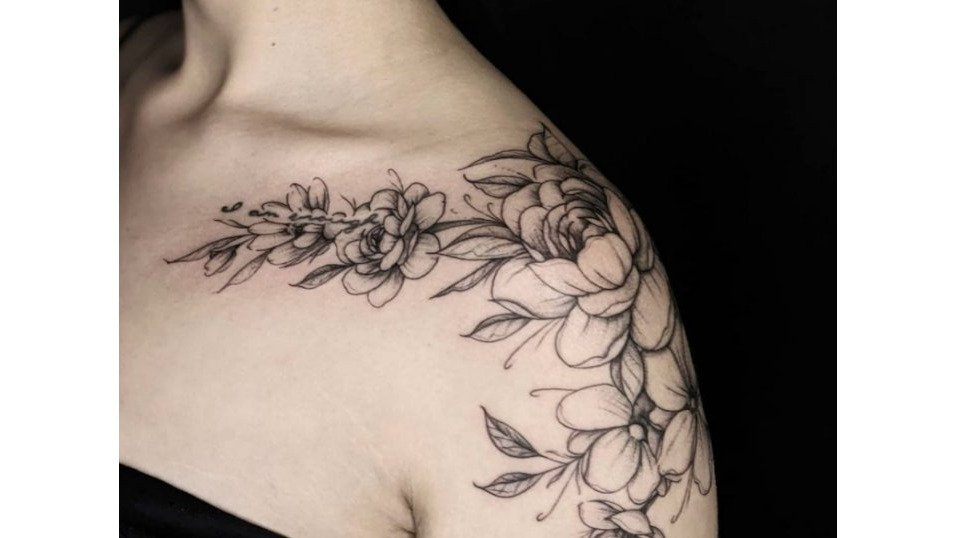
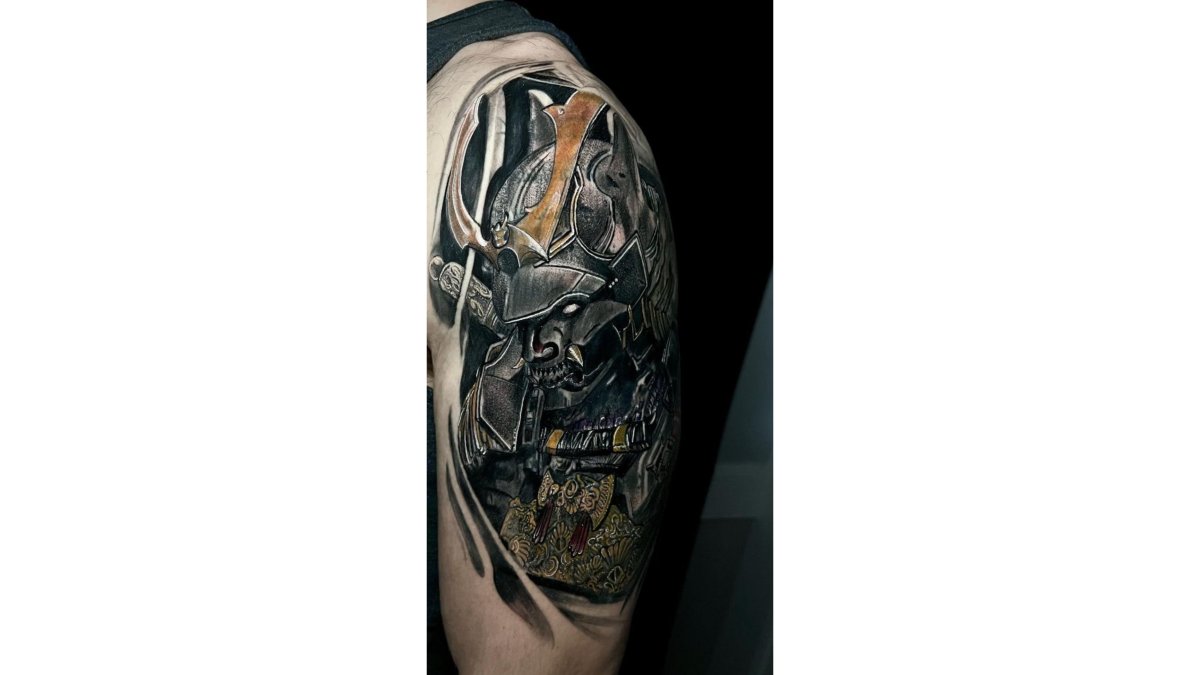
Each major style brings a distinct look, and the style you pick determines how the design is drawn, how it ages, and how easily it can be extended later. Traditional American designs use bold outlines, a limited palette and recognizable icons such as anchors, swallows and roses. Japanese work, often called irezumi, favors flowing lines, koi, waves and peonies, and frequently covers larger areas of the body. Tribal patterns draw on repeated geometric shapes, while floral designs range from delicate botanicals to dense, layered bouquets.
The practical difference between these styles is line weight and contrast. Traditional and Japanese work rely on heavy outlines and solid color blocks, which is why they hold their shape over decades. Fine-line floral and minimalist tribal work use thin lines and low contrast, which can soften faster and sometimes needs a touch-up sooner. Ask your artist which styles they execute most confidently.
When you browse a collection of 500 tattoo designs, sort by style before you sort by subject. A koi drawn in a traditional American palette will look very different from a koi drawn in a Japanese style, and the same is true for roses, skulls and geometric patterns. Pick one or two styles to focus on, then filter the collection against your placement and size. Mixing too many styles in one piece usually produces a composition that looks unfinished.
Watch out: tribal and cultural-inspired patterns are not interchangeable. Some Polynesian, Native American and religious motifs carry specific traditions and meanings. Learn where a design comes from before you commit, and ask your artist how they approach culturally specific work. A respectful adaptation is usually better than a direct copy of a symbol you do not fully understand.
If you are planning a larger piece, such as a shoulder or back composition, traditional and Japanese styles give your artist more room to build contrast and flow. If you want something small and delicate, floral and fine-line styles are easier to scale down without losing readability. Either way, bring your style shortlist to a consultation so your artist can tell you which designs in the collection will translate cleanly to skin.
The table below sums up how the main styles differ in line weight, subject matter and how well they hold up over time.
| Style | Typical look | Key difference |
|---|---|---|
| Traditional American | Bold outlines, limited palette | Holds its shape for decades |
| Japanese (irezumi) | Flowing lines, koi, waves, peonies | Often covers larger areas |
| Tribal | Repeated geometric shapes | Some motifs carry specific traditions |
| Floral | Delicate botanicals to dense bouquets | Thin lines can soften sooner |
500 Tattoo Designs on the Hand and Fine-Line Options
Hand and finger tattoos are visible every day, so the design needs to be deliberate. Small, simple shapes such as stars, dots, lines and single-word script work best. Fine-line designs can look striking on the hand, but they need careful spacing so they do not blur over time.
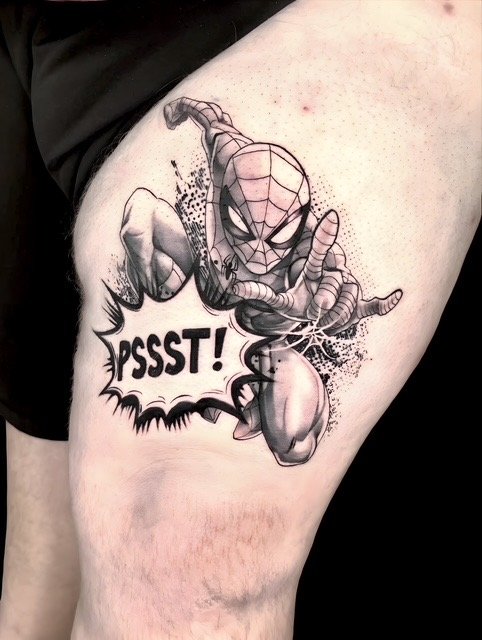
Keep details modest, and avoid packing too much linework into a small space.
Fine-line work is a style choice, not a size guarantee. A fine-line design can be small or large, but the thinner the line, the more important the placement and aftercare become. Fine-line tattoos on the inner forearm, ribcage or upper back tend to hold better than those on the hand, foot or fingers. If you want a fine-line piece on the hand, ask your artist to show you how the design will look with a slightly heavier outline, and compare the two stencils before you decide.
When you browse a collection of 500 tattoo designs for hand or fine-line work, filter for designs with open space and clear silhouettes. A design that reads well at two inches will usually read well at four inches, but a dense design that looks good on paper can turn into a dark smudge on the hand. Save the intricate references for larger placements, and keep the hand pieces simple.
Watch out: hand tattoos are difficult to cover later, and some employers and workplaces still have policies about visible tattoos. If you are unsure, test the design as a temporary tattoo or place it on the wrist or forearm first to see how you feel about the visibility.
In Charlotte, a consultation is the best way to test whether a hand or fine-line design will work for you. Bring your reference images, describe where the tattoo will sit, and ask your artist how they would adapt the design for the hand. Canvas Tattoo & Art Gallery offers a free consultation, so you can explore custom options with no pressure before you commit to a design.
500 Tattoo Designs for the Shoulder: Scale, Placement and Aging
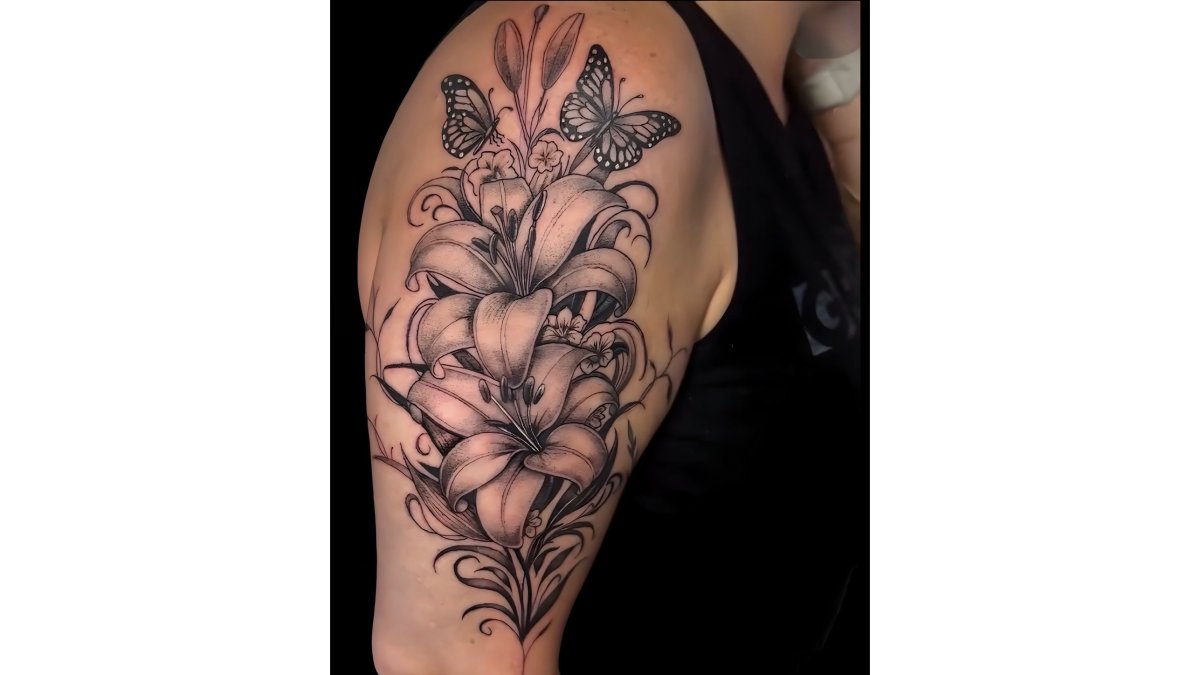
The shoulder is one of the most forgiving placements. It has a generous, flat surface and it is easy to cover or adjust later. That makes it a strong choice for larger compositions such as botanicals, animals or Japanese-inspired scenes.
Scale matters most here. A design that fills the curve of the deltoid will look more balanced than one that ends abruptly at the edge of the muscle. Ask your artist to test the size on your skin with a stencil before you commit, since what looks right on paper can feel different when it wraps around your body.
Consider aging as well. Large shoulder pieces with strong outlines and solid areas of color usually keep their definition longer than dense, low-contrast work. Our tattoo aftercare tips for beginners explain how to keep a shoulder piece sharp as it heals and ages.
Turning a Reference Design into Your Custom Tattoo in Charlotte
Reference designs are a starting point, not a finished plan. Reference designs can be adapted to your body and the placement you have in mind.
In Charlotte, the process usually begins with a consultation. Bring your reference images, describe what you like about them, and explain where the tattoo will sit. Your artist can then sketch a custom version and adjust it until it fits you. If you have an older tattoo you want to update, ask whether a cover up is possible at the studio before you finalize the new design.
Canvas Tattoo & Art Gallery offers a free consultation, so you can explore custom options with no pressure. You can also review our local options by searching for tattoo shops in Charlotte to compare studios before you decide.
Frequently Asked Questions
What would a $500 tattoo look like?
A $500 tattoo is usually a small to medium piece, often a single-color design a few inches across, such as a simple symbol, a small floral sprig, or a fine-line script. Prices depend on the artist's experience, detail, color, and placement, so the same budget can buy different sizes. Canvas Tattoo & Art Gallery provides no fixed price list; a free consultation is the most reliable way to learn what a given design will cost.
How big is a $500 tattoo?
Size varies with style and detail. Simple black line work can cover a larger area for the same money than dense shading or full color. Published size-based cost guides give rough ranges, but they are general estimates and not quotes for Charlotte studios. Bring your reference image and preferred dimensions to a consultation to get an accurate size and price discussion.
How do I choose a tattoo design that feels personal?
Start with a meaning, memory, or quality you want to carry, then look for designs that express it in a style you like. Choose motifs you would still want in ten years, and avoid copying a design without adapting it. A custom artist can combine elements from several references so the final piece reflects your story rather than a stock image.
What tattoo designs work well on the hand?
Bold, simple shapes and clean line work hold up best on the hand because the skin there fades and stretches more quickly. Small symbols, minimal botanicals, and geometric patterns are common choices. Ask your artist about spacing and line weight before you commit, since fine detail can blur over time in high-friction areas.
How do I work with a tattoo artist to create a custom design?
Bring reference images, note what you like about each one, and describe the placement and size you have in mind. A consultation lets the artist suggest changes for legibility, scale, and aging. Ask questions until the design matches your expectations.