 listicle
Top 10 Tattoo Aftercare Tips for Beginners
Quick Summary
The most important tattoo aftercare tips for beginners are to wash gently with lukewarm water and fragrance-free soap about twice a day, moisturize lightly, keep the tattoo out of water and sun, and resist scratching or picking. Most healing happens in the first two to four weeks.
- Wash gently with lukewarm water and a mild, fragrance-free soap, then pat dry with a clean paper towel.
- Wash about twice a day during the first week, then often once a day after that.
- Apply a thin layer of unscented moisturizer and avoid over-applying product.
- Do not soak the tattoo in baths, pools, hot tubs, lakes or oceans until fully healed.
- Itching around days three to seven is normal, so tap or use a cool compress instead of scratching.
Table of Contents
- Why Aftercare Matters in the First Weeks
- Tip 1 to 3: Handle the Bandage and Clean the Tattoo Correctly
- Tip 4 to 6: Moisturize, Keep It Dry, and Protect From the Sun
- Tip 7 to 8: Avoid Scratching, Picking, and Friction
- Tip 9 and 10: Follow Your Artist's Instructions and Know When to Get Help
- Healing Timeline: Normal Symptoms vs. Warning Signs
- Booking Your Next Step at Canvas in NoDa
- Frequently Asked Questions
Why Aftercare Matters in the First Weeks
Last Updated: November 4, 2026
Good tattoo aftercare tips are the difference between a crisp, vivid piece and one that fades, scars or gets infected. Most of the healing happens in the first two to four weeks, so the care you give in that window matters most. The first weeks decide how a tattoo looks for years, so the basics matter.
The skin is an open wound while it heals. It needs to stay clean, moisturized and protected from friction and sun. Cleveland Clinic advises washing and moisturizing a new tattoo twice a day and not picking or scratching it, and explains that scabs will fall off on their own. The guidance below builds on those basics.
This guide covers ten practical tips for beginners and a healing timeline that separates normal symptoms from warning signs.
Tip 1 to 3: Handle the Bandage and Clean the Tattoo Correctly
The first three tips revolve around the covering applied to a fresh tattoo and the first washes. Getting this window right sets up everything that follows.
Tip 1: Leave the initial bandage on for the time your artist specifies. Ask your artist at pickup exactly how long your specific dressing should stay on, and write it down. If the dressing starts to leak, lift at the edges, or trap visible fluid, remove it early and wash the tattoo.
Tip 2: Wash gently with lukewarm water and a mild, fragrance-free soap. Wash your hands first, then use clean fingertips, not a washcloth or loofah. A pea-sized amount of soap is enough. Rinse with lukewarm water, not hot, and keep the motion light. Hot water and scrubbing can irritate fresh skin and lift ink. Pat dry with a clean paper towel rather than rubbing with a bath towel, and throw the paper towel away rather than reusing it.
Tip 3: Wash about twice a day during the first week. Morning and evening is a common pattern. After the first week, once the surface has closed and flaking has started, once a day is often enough unless your artist says otherwise. Wash again any time the tattoo gets dirty, sweaty, or exposed to something that could irritate it.
What not to do in the first two weeks:
- Do not soak the tattoo in a bath, pool, hot tub, lake, or ocean until it has fully healed. Soaking softens the skin and gives bacteria a way in. Showering is fine; just do not let the tattoo sit in standing water.
- Do not apply alcohol, hydrogen peroxide, or harsh antibacterial scrubs. They dry and irritate healing skin.
- Do not let a pet lick the tattoo, and keep it away from shared towels and bedding where possible.
- Do not re-wrap the tattoo in plastic wrap for long stretches after the initial dressing comes off. Trapped moisture and warmth create a friendly environment for bacteria.
Charlotte context for first-timers: Charlotte summers are hot and humid, and a fresh tattoo under a tight shirt or a backpack strap can get sweaty fast. In July and August, plan to wash and pat dry more often if you are outside or commuting, and change out of damp clothing as soon as you can. In winter, forced-air heating dries skin out, so a thin layer of fragrance-free moisturizer after each wash matters more than it does in spring.
Watch out: If your artist used an adhesive film dressing and you develop itching or a red, raised rash at the dressing edges, that can be an adhesive reaction rather than an infection. Remove the dressing, wash gently, and call your artist before applying anything new.
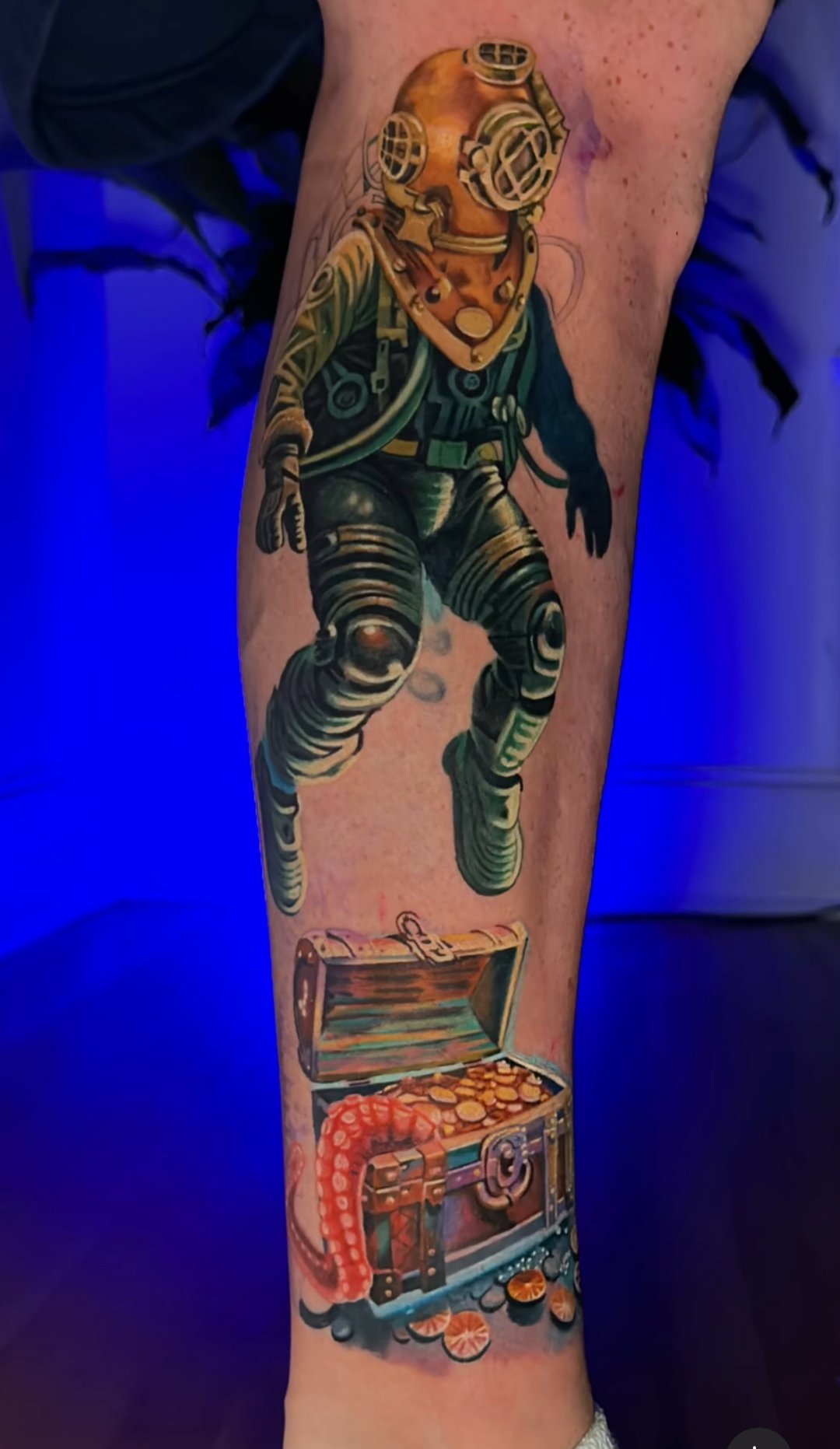
Tip 4 to 6: Moisturize, Keep It Dry, and Protect From the Sun
After washing and patting dry, apply a thin layer of unscented, fragrance-free lotion or a tattoo-specific balm. Too much product can suffocate the skin and trap moisture, so less is better. Reapply as the skin needs it, usually several times a day during the first week.
Keep the tattoo breathable. Wear loose clothing over it so fabric does not rub against the healing skin, and let it air dry for a few minutes after washing before you cover it again.
Protect the tattoo from direct sun while it heals. UV exposure can fade fresh ink and irritate the skin, so cover it or use a broad-spectrum sunscreen once the area is fully closed and your artist approves it.
Tip 7 to 8: Avoid Scratching, Picking, and Friction
Itching is a normal part of healing, and one of the most useful tattoo aftercare tips is to expect it to be intense around days three to seven. Resist the urge to scratch. Gently tap or press the area instead, or apply a cool compress for relief.
Do not pick at scabs or peeling skin. Picking pulls out ink along with the flaking layer and can leave gaps or scarring. Let the skin shed naturally.
Limit friction from tight clothing, straps, bags and sweaty workouts. Loose cotton over the tattoo helps.
Tip 9 and 10: Follow Your Artist's Instructions and Know When to Get Help
Your artist's instructions come first, even when they differ from generic advice. Ask questions at pickup, and follow the timeline your artist gives you.
Know when to contact a professional or a doctor. Call your artist or a healthcare provider if you notice spreading redness, warmth, pus, a foul smell, fever, or pain that gets worse instead of better. Those signs can point to infection, and early treatment matters.
Healing Timeline: Normal Symptoms vs. Warning Signs
Healing unfolds in stages, and most people see the same pattern. The timeline below is a general guide; thin-skinned areas, large pieces, heavy shading, and cover-ups can run slower, and your artist's instructions override anything here.
| Stage | What is normal | What is concerning |
|---|---|---|
| Days 1 to 3 | Tenderness, mild swelling, light redness around the lines, thin clear or slightly pink oozing, a feeling of tightness | Heavy bleeding that does not stop with gentle pressure, swelling that keeps growing, fever, red streaks spreading away from the tattoo |
| Days 4 to 7 | Itching that comes and goes, flaking at the edges, dry or tight skin, a dull or cloudy look over the ink | Spreading redness, pus or a yellow-green discharge, a foul smell, pain that gets worse instead of better |
| Weeks 2 to 4 | Peeling in thin layers, itching that fades, a milky or cloudy appearance that clears as the surface heals | Persistent pain, raised bumps or a rash, skin that stays hot to the touch, fever |
| After 4 weeks | Skin looks mostly healed, colors settle, minor dryness | Lasting irritation, unusual raised areas, or a reaction that appears suddenly after weeks of normal healing |
Why the itching and peeling happen. As the skin repairs itself, new tissue forms under the surface and the outer layer dries and sheds. That is why days four through seven often itch the most and why thin flakes of ink-colored skin appear. It is normal. Picking or scratching interrupts that process and can pull ink out with the flaking layer.
How to tell normal redness from concerning redness. Normal redness sits close to the lines, fades over the first few days, and does not spread. Concerning redness spreads outward, feels hot, and often comes with swelling or pain that gets worse rather than better. When in doubt, take a photo each day so you can compare.
When to contact your artist versus a healthcare provider. Call your artist first for questions about dressing, washing, moisturizing, or what looks like a normal healing stage. Contact a healthcare provider promptly if you see spreading redness, pus, a foul smell, fever, red streaks, or pain that worsens after day three. Those signs can point to infection, and early treatment matters. This guide is not medical advice and does not replace an in-person evaluation.
Charlotte-specific note. In Charlotte's humid summer months, a fresh tattoo under clothing can stay damp longer, which is one reason washing and patting dry thoroughly matters. In winter, indoor heating can make itching feel worse; a thin layer of fragrance-free moisturizer after washing helps, but do not overapply.
Watch out: A sudden rash, hives, or difficulty breathing needs urgent medical attention.
Booking Your Next Step at Canvas in NoDa
Once your tattoo has healed, your next step is choosing an artist and booking a session. If you want to book with a highly rated artist, meet Jaider and schedule an appointment. Canvas Tattoo & Art Gallery is located in the heart of NoDa, and our artists bring thousands of hours of experience to every design. If you are still deciding where to go, read how to choose a reputable tattoo artist in Charlotte. The studio has been voted Best Tattoo Shop in Charlotte by Elevate Lifestyle and Queen City Nerve, and listed among the Top 50 Tattoo Parlors in America by Big 7 Travel.
If you are planning a new piece, a cover-up or a follow-up session, start with a free consultation. Start with a free consultation to talk through your ideas with our team.
Frequently Asked Questions
What is the best aftercare for a new tattoo?
Keep the tattoo clean with lukewarm water and a mild, fragrance-free soap, pat it dry with a clean towel, and apply a thin layer of unscented moisturizer or a tattoo-specific ointment two to three times a day. Keep it out of direct sun and avoid soaking it in baths, pools, or hot tubs until it has fully healed. Follow your artist's instructions first, since they know how your specific piece was done. Cleveland Clinic and Healthline both recommend washing and moisturizing consistently during healing.
Is A&D or Aquaphor better for tattoos?
Both are commonly recommended, but they work differently. Aquaphor is a petroleum-based ointment that forms a protective barrier, and it is among the products artists often mention for the first week of open healing. A&D is thicker and more occlusive, which some people find too heavy for healing skin. Many artists suggest switching to a lighter, breathable lotion once the tattoo begins to scab. Use a thin layer either way, since too much product can trap moisture and slow healing.
How often should I wash and moisturize a new tattoo?
Most aftercare guidance, including Cleveland Clinic's, suggests washing and moisturizing a new tattoo about twice a day during the first days of healing. Wash gently with your hands, rinse thoroughly, pat dry, and apply a thin layer of moisturizer. As the skin begins to flake, you can keep moisturizing but reduce washing frequency if your artist advises it. If the skin feels tight or looks dry, apply a little more moisturizer rather than washing more often.
How long does a new tattoo take to heal?
The outer layer of skin on a new tattoo typically closes within a few days, and the surface often looks healed in two to four weeks. Deeper layers of skin can take longer to fully settle, and some people notice slight changes in color or texture for several months. Peeling, itching, and light scabbing are normal during the first two weeks. Redness that spreads, increasing pain, pus, or fever are signs to contact a healthcare provider promptly.
Book your free consultation at Canvas Tattoo & Art Gallery today.